And just like that, we are at the end of the first quarter of the 2024-25 school year. A closing of one chapter and a transition to the next inspires reflection upon where we started and where we are now.
As I’ve watched teachers and students build their classroom communities and engage in their first projects of the year, I’ve noticed a trend across the grade levels: understanding ourselves and other people’s perspectives. Who am I? What are the communities to which I belong? How do we, as individuals, work and learn together as a community? How do I get to know other people? How do we come to understand and respect other people’s perspectives, perspectives that differ from our own?
The school year starts with establishing our classroom and school community norms and agreements, but we don’t stop there. It’s not enough to know ourselves and those with whom we spend the majority of our time (e.g., our peers, our family members, our friends). We need opportunities to think beyond ourselves and what’s familiar. When we engage with people whose lives, experiences, and perspectives differ in small and large ways from our own, we have the opportunity to recognize (or remember) that we are part of a beautifully diverse world. Our assumptions and biases are challenged, and our horizons expand. In turn, through practicing critical reflection, we are personally transformed. And while such transformative learning is launched in the first quarter, it doesn’t stop there – this is a year-long, and life-long, process.
As faculty, we have been deepening our own learning in the domain of Climate Science, which has reinforced the importance of looking beyond the surface. When we dig deeper, literally, into the ground upon which we walk and closely examine the soils that we use to plant our trees and gardens, we see there’s an abundance of microscopic organisms engaged in chemical and biological processes that sustain all living things. Diversity of microorganisms is essential for the health of our soil – an overabundance of one type of organism depletes the generation of life-giving nutrients that plants need to grow.
With the turn of the seasons and the transition from the first quarter to the second, it’s time to take stock, look back, and look ahead. It’s important to celebrate the ways in which we’ve grown, recognize new knowledge that’s been constructed, and think about where we’re headed.
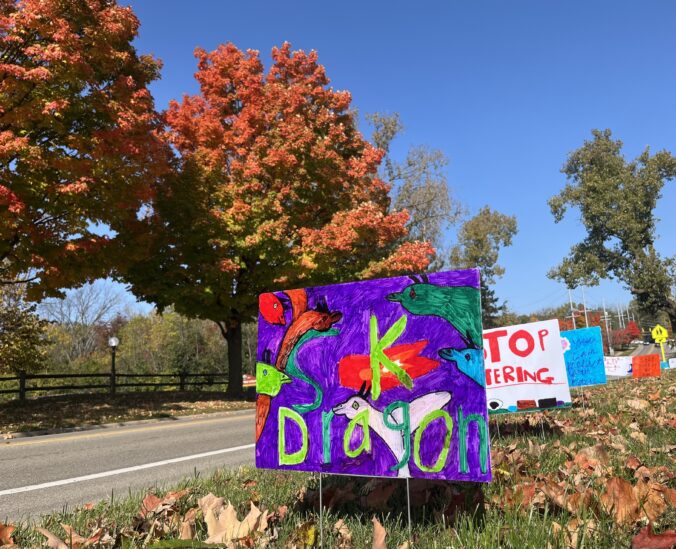
Like the leaves on the trees, change is inevitable. Experience in and of the world is also inevitable – inevitable and valuable. But growth is optional. Growth requires an intentional, iterative cycle of goal setting, engagement in the pursuit of our goals, and critical reflection. This is how we individually, and collectively, learn and grow continually and holistically.