With its endlessly grey skies and mud-strewn banks of snow lining the edges of the streets, Michigan winter has proven itself once again. From an adult perspective, it’s a perennial force with which we reckon. Bundling from head to toe, we emerge from our dwellings. White-knuckled, we navigate the icy, ragged roads, noting the need for new windshield wipers.
But from a child’s perspective, February in Michigan brings a fantastical frozen tundra: freshly fallen snow and below freezing temperatures provide mounds for digging, hiding, and sliding. At recess time, bundled in snow gear, packs of wild snow cats fiercely guard their lairs; the soccer field becomes an ice hockey rink; and an old, plastic, decorative (headless) goose yard-ornament becomes a sled. As the snow melts, puddles abound, and mud becomes the new medium for play.
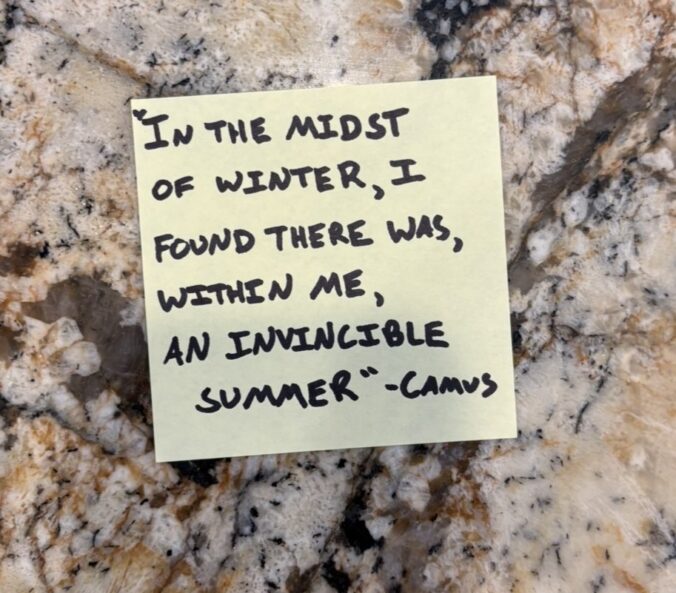
Despite the seemingly eternal winter, we need not look far for sources of hope. They are all around us and within us. As Camus said, “I found there was, within me, an invincible summer.” For me, especially when the skies are persistently grey, consciously and deliberately invoking gratitude alters my perception. I was grateful when my colleague, a high school English teacher in Washington D.C., sent this Camus quote my way because it made me pause and take stock of simple things that contribute to my “invincible summer.”
This week, Summers-Knoll teachers and I were talking about the “why” that drives what we do. In Japanese, the word Ikigai is the reason we get out of bed in the morning.
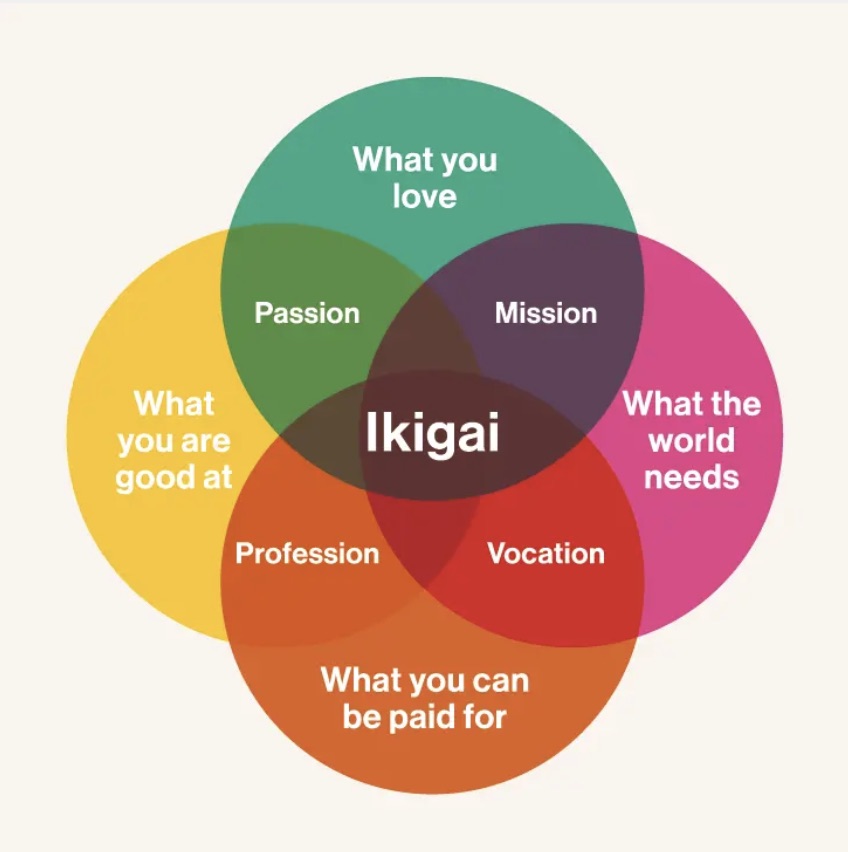
As educators, making a positive difference in the lives of children is central to our life’s work. But we can dig even deeper and ask why, and each educator will have their own reasoning and story underpinning their “why.”
For me, children give me hope. And I feel accountable to being a source of hope for them. It’s a two-way street. So what do we do, as adults in children’s lives, to keep our hope alive?
As my friend in D.C. posed to me, I now pose this question to you: What is your invincible summer?