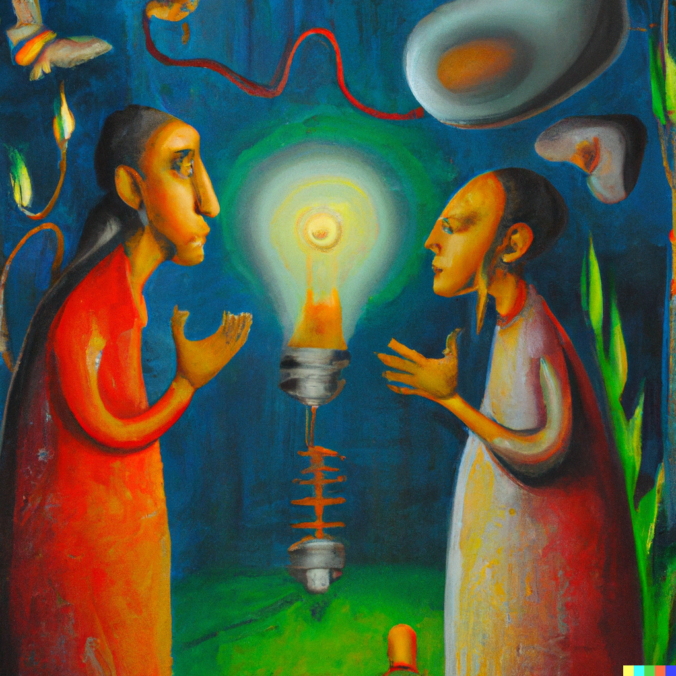
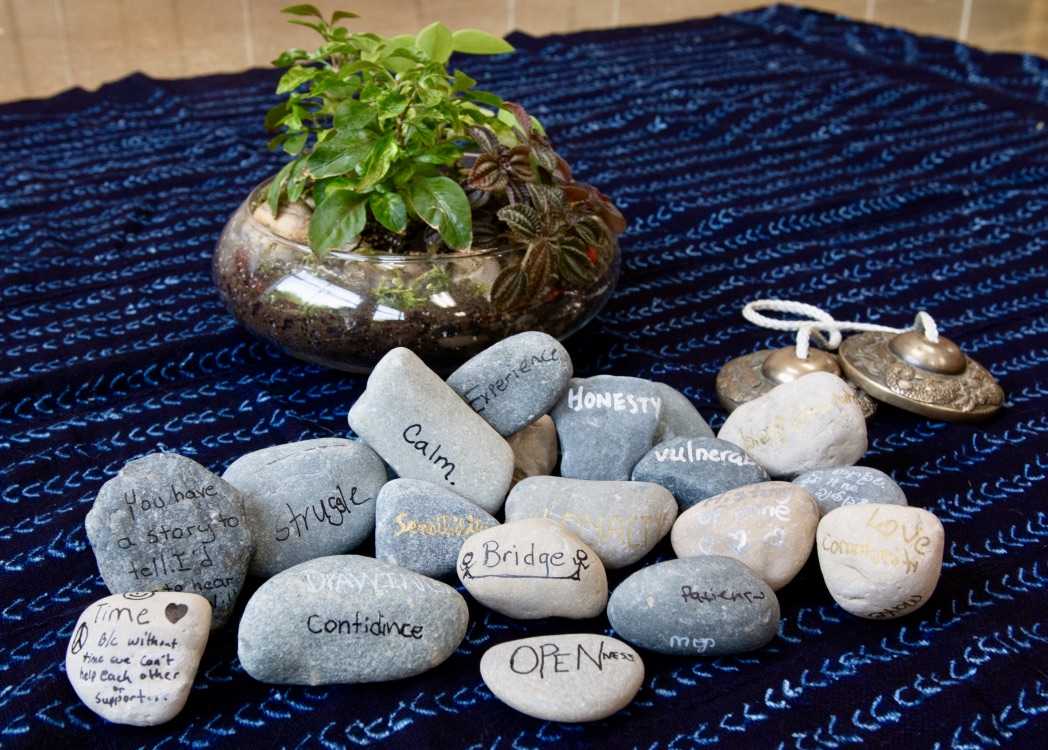
On the evening of Monday, October 9th, Indigenous People’s Day, as I was trying to fall asleep, these words above began to take shape in my mind’s eye. I got up and wrote them down because sometimes, for writers, that’s the only way we can rest. Being able to rest at all, ever, is a privilege in a world filled with unrest.
Category: Blog (Page 6 of 7)
In Reading the World and Reading the Word: An Interview with Paulo Freire (1985), Brazilian educator, scholar, and community activist, Paulo Freire, explained his conception of literacy: “If we think of education as an act of knowing, then reading has to do with knowing. The act of reading cannot be explained as merely reading words since every act of reading words implies a previous reading of the world and a subsequent rereading of the world. There is a permanent movement back and forth between ‘reading’ reality and reading words – the spoken word too is our reading of the world. Reading the word is not only preceded by reading the world, but also by a certain form of writing it or rewriting it. In other words, of transforming it by means of conscious practical action” (p. 18).
Known for his progressive literacy pedagogy, Freire’s emphasis on the relationship between the world and the word exemplifies how we, at Summers-Knoll School (SK), prioritize the development of students’ academic knowledge in relationship to the development of their understanding of the world – while students learn how to read and write print text in the early grades and become critical readers and writers in the latter grades, concomitantly, they are also deepening their understanding of the world and translating their learning into action.
As a project- and place-based school, projects provide students with a real purpose for their work, which includes having an authentic audience beyond their grade-level peers and classroom teacher; cross-grade peers, parents, and community members serve as authentic audiences. Students not only present their work to audiences outside of the school; they also learn from community members outside of the school who are experts in relevant and related fields of study. Our in-house SK buses enable teachers to take students out into the community and learn about, and from, the world outside the school walls.
During the past two weeks, SK teachers have launched their first projects and taken their first field trips of the year. In preschool, they kicked off their Deserts, Rainforests, and Aquatic Life project with a field trip to the Malletts Creek Ann Arbor Public Library to browse for books on deserts, oceans, and rainforests. In Young 5s/Kindergarten, they launched their Identity Book project with learning about how authors use both text and illustrations to communicate their ideas. In the 1st/2nd graders’ Light, Emotion, Color, Sound project, students have been using all of their senses to explore the relationships among light, emotion, color and sound – this week, they went to the Ann Arbor Hands On Museum to experience these phenomena through interactive, science-based exhibits. The 3rd/4th graders have launched their place-based investigation of local water health through weekly walks and visits to Malletts Creek. The 5th-8th graders just started their Science Demonstration project. After an introduction to Newton’s 3 Laws of Motion, they began conducting experiments to more deeply understand the physics principles underpinning these laws. On their field trip to Tillers International, the 5th – 8th graders witnessed Newton’s Laws in action as they interacted with with farming tools and practices that were developed prior to the advent of electricity and are still used today.
At SK, students make connections among who they are, what they are learning in school, and the world around them. As one Upper School student, Hasan Rehman, said when reflecting upon his experience with Walk with Little Amal (see previous post), “Empathy for me means that you have a shared feeling. Or a feeling that you can get when you see someone in a bad situation. Learning about Little Amal and the refugee crisis has made me feel empathetic for the people who have actually dealt with all these hardships. I used to always think that home is just another word for house. However as I grew older and learned more about the world I learned that home can be things other than my house. It can be my family or pets. Even after that I started to feel like my home was still my house until I moved and started thinking that my home was actually not my house and I am now here.” As Hasan’s reflection demonstrates, “reading the world” can literally lead to a deeper understanding of a word. As students continue to delve deeper into the meaning of words, their understanding of the world deepens and vice versa, which brings us back to where we started in this post: the Freirean notion of the iterative relationship between reading the world and reading the word.
For more on Freire and how his work has influenced my teaching and scholarship, see Symons, C. & Gajasinghe, K. (2022) Digital storytelling as a Freirean-based pedagogy with refugee-background youth. In S. Barros & L. de Oliveira (Eds.) Paulo Freire and Multilingual Education: Theoretical Approaches, Methodologies, and Empirical Analyses in Language and Literacy (176 – 195). Routledge. ISBN: 9780367773557.
(Photo: Lake Erie Metropark, July 24, 2023, SEMIs Coalition Summer Intensive Professional Development.)
At the beginning of the school year, alongside establishing rituals and routines, teachers lay the foundations for their classroom communities. To learn and work together, students must get to know one another – and respect and trust one another – as people and as learners. Therefore, “getting the room right” (as one of my dear colleagues, Sri Gyan, at Mount Madonna School used to say) at the beginning of the year is critically important because it sets the tone for everything else that follows.
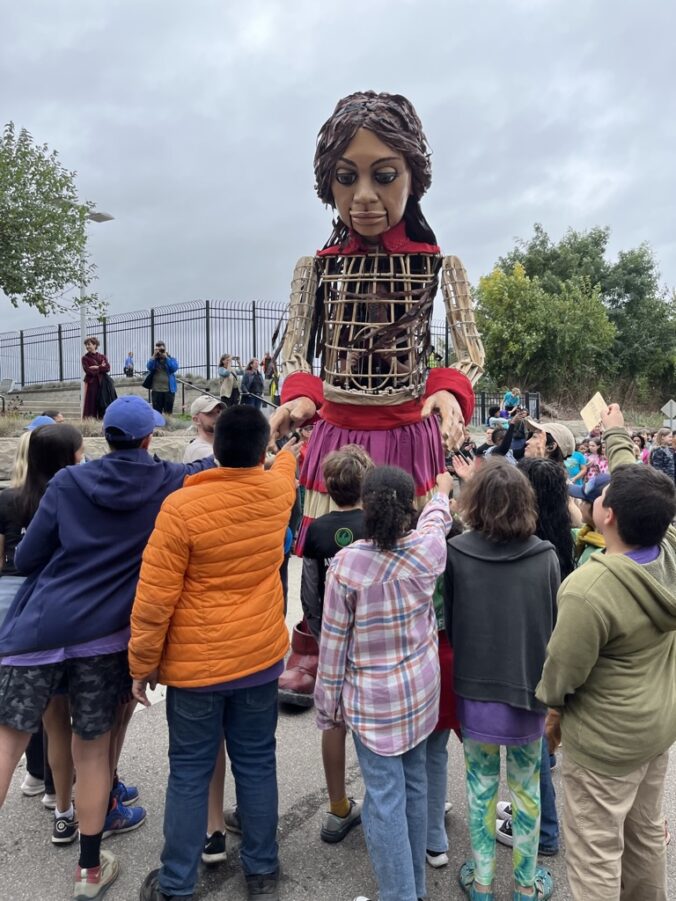
While community building often involves learning about themselves and their classmates, at Summers-Knoll School, students have been thinking beyond just themselves. In the spring of 2023, SK’s 3rd – 8th graders were invited to partner with Mosaic Youth Theatre of Detroit on an event of international scope: Walk with Little Amal. Walk with Little Amal is an arts-based, social justice project designed to raise awareness of refugees worldwide. Little Amal is a 12-foot puppet operated by three human puppeteers who make her come to life. She represents a 10 year old Syrian girl who is a refugee traveling around the world in search of a place to call home. Her journey began in 2021 in Gaziantep, a town close to the border of Turkey and Syria. Since then, she’s traveled across Europe, to 15 different countries, and she just recently landed in the U.S. via the Boston Harbor.
I first learned about the Little Amal project before she even began her journey, when I was working at Michigan State University as a teacher educator and community-engaged scholar. At that time, I was partnering with a local, grassroots, nonprofit organization, the Refugee Development Center, on designing and facilitating literacy and language educational programming for refugee-background youth and young adults, and producing a documentary short, The Stories Project, based upon this collaboration. Given my scholarship and background in theatre, the Little Amal project aligned with how I, too, was looking to the arts as a form of what Sarah Lewis refers to as “aesthetic force,” to raise people’s awareness about (im)migration and refugees; to highlight the importance of fostering an appreciation of people’s differences; to cultivate cultures of belonging in our communities, schools, and classrooms. So, as you can imagine, when SK was invited by Mosaic to join the welcoming committee for Little Amal in Detroit and I proposed the invitation to Eddie (Upper School teacher), Erika (3rd/4th grade teacher), Colin (the music teacher), ArtMary (the art teacher) and Shelby (communications), we replied with a whole-hearted YES!
The timing of Little Amal’s visit to Detroit (September 26, 2023) provided an opportunity for SK’s 3rd – 8th graders to thematically connect their own classroom community building processes with building knowledge about Little Amal, her story, and the plight of over 110 million forcibly displaced people worldwide. In the 3rd and 4th grades and the Upper School, students have been reading, writing, discussing and reflecting upon themes that are central to the meaning of the word community: identity, home, belonging, and welcoming. To deepen their personal investigations and broaden their perspectives, as well as to prepare for their Walk with Little Amal, they have been learning about what these themes mean to people outside of their own community, people in other parts of the world. particularly people who have been forcibly displaced from their homes.
Author and SEMIs coalition partner, Amy Clarice, visited the Upper School and read aloud a picture book story she wrote and published, Lost and Found Cat, about how a human rights volunteer who worked at a refugee camp in Lesbos, Greece (Amy herself) helped reunite a cat with his family after the family was forced to flee from Iraq. The Upper School students then shared some of their own writing on the theme of “home” and read Lost and Found Cat aloud to their 3rd and 4th grade peers. In the 3rd and 4th grade, students have been exploring their family histories, which has helped them see that their ancestors come from many different places from around the world – migration is our shared human story.
In the 1st and 2nd grade, students have been investigating the relationships among sound, color, and emotion to better understand themselves and their emotions. In Kindergarten and Young 5s, students have launched their first project on identity, and in preschool, each student has created a tracing of their body with various body parts labeled to illustrate what they think about (their brains), what they love (their hearts), their favorite foods (their stomachs) and what they like to do (their hands).
Reflecting upon who we are and learning about our classmates reminds us that we are all human. As individual human beings, we are each beautifully unique. When individuals come together to form a community, our differences enable greater creativity, smarter problem solving, deeper relationship building, and a broadening of our individual and collective knowledge. As we learned in our experience with Little Amal, when someone new joins our community, we can welcome them with a smile and perhaps even walk – or dance – beside them for a while.
For more on the significance of diversity – in all of its forms – check out this episode of the Hidden Brain podcast, The Edge Effect, in which Shankar Vedantam and his guests discuss the unique creative force made possible in colloborations where individuals possess different types of knowledge and backgrounds, come from different cultures and countries of origin, and speak different languages. Relatedly, another Hidden Brain podcast that just aired, The Secret of Great Teams, reiterates these points.
This week at Summers-Knoll School, we held our annual curriculum night(s). Hosted virtually to make it more accessible for parents on-the-go and split into two nights – with the Preschool through 4th grade on Tuesday and the 5th through 8th grade on Thursday – our parent attendance rate was stellar. It was so great to see such full houses. For those who were not able to attend live or who want to review what was shared, video recordings of the curriculum night(s) will be made available. Suffice to say, I have been immersed in the act of articulating “curriculum” with SK’s teachers and parents this week. As such, in this post, I will discuss the meaning of “curriculum” broadly and share a bit about how we engage in the curriculum design process at Summers-Knoll in particular.
In the year 2000, I received my elementary teaching license and master’s degree in Curriculum and Instruction from the University of Colorado, Boulder. Since then, as a classroom teacher and a teacher educator, a large portion of my professional life has been consumed with curriculum design.
Every teacher is a curriculum designer. It’s one of the primary things we do. Defined simply, curriculum is the “what” of teaching – it’s the learning goals (or intentions) themselves and the content students learn as they make their way toward those goals; it’s both the end-product and the experiences in which learners engage to create an end-product. If curriculum is the “what,” instruction is the “how.” Running like a red thread through both curriculum and instruction is the “why,” which starts and constantly returns to the “who.” For whom are we designing curriculum? What do they need, and why do they need it? In other words, how will the learning experiences I design engage students in the creative process of building particular types of skills and knowledge, and why do my students need these skills and this knowledge now? How can they apply (or transfer) their newly acquired skills and knowledge in meaningful ways? These are the essential questions teachers ask themselves throughout the curriculum design process.
As a process, curriculum design is iterative. At Summers-Knoll, it begins with thinking about who our students are and what they need, and then turning to content area standards (e.g., Common Core State Standards, Next Generation Science Standards, C3 and Michigan State Social Studies Standards) to inform our planning. Using an Understanding by Design (UbD) perspective, it involves backward planning: identifying the learning goals first and then planning a systematic series of learning opportunities through which students develop the knowledge and skills necessary to achieve those goals.
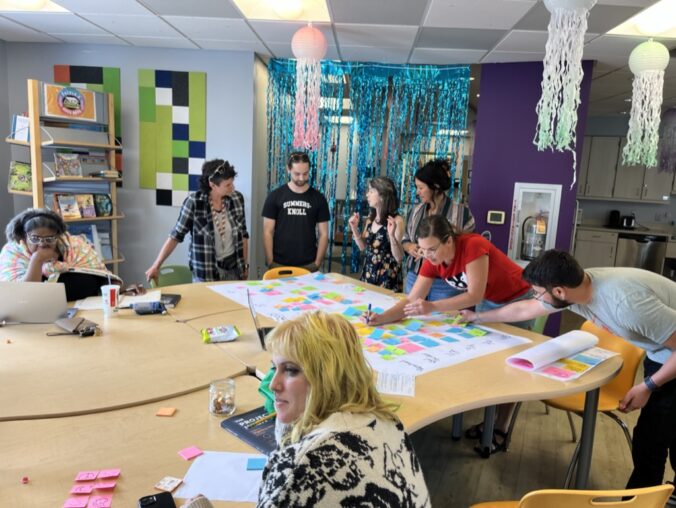
At SK, we add another layer to the UbD framework by embracing a project-based learning pedagogy (i.e., approach to teaching). This summer, as a faculty, we read The Project Habit: Making Rigorous PBL Doable. During our August professional development sessions, with this shared text as a reference, we engaged in several stages of curriculum design or “design habits” (McDowell and Miller, 2022). First, the teachers reflected upon the 2022 – 2023 school year and created a whole school, quarter-by-quarter map of the previous years’ projects. With knowledge and awareness of what SK students experienced last year, teachers then turned to thinking about their incoming students; they returned to their grade level standards for each of the content areas; they talked with one another about their ideas for projects, shared resources, and realized opportunities for collaboration across classrooms and grade levels; they identified potential community partners. Through these dynamic dialogues, each teacher’s year-long vision for their curriculum crystalized further, and they plotted their four main projects onto our map for the 2023-2024 school year.
Then the students arrived! With students, teachers bring their curricular plans to life through their instruction. Through an iterative cycle of assessment, planning, and instruction, teachers get to know their students as people and as learners. Ongoing, formative assessment enables teachers to be responsive to their students. As such, teachers are constantly adjusting and refining their curricular plans and their enactment of their curricula. While the curriculum design process is initiated and led by the teacher, in reality, a curriculum is brought to life through action – teaching and learning – and in the hands of a responsive teacher, a curriculum is actually co-constructed with the students.
At Summers-Knoll, each week, I meet with each teacher individually to continue the conversation about their curriculum and instruction, and we meet as a faculty every Wednesday afternoon to continue our collective dialogue. Teachers are constantly reflecting, assessing, adjusting, and refining their curriculum and instruction, and I am honored to accompany them in this deeply complex and creative process.
The beginning of a new year. The beginning of a new season. The beginning of a new moon. Life is full of new beginnings. Prior to the first day of school with kids, the Summers-Knoll faculty and staff gather together to mark the beginning of a new school year. Over the course of two weeks, teachers toggle back and forth between designing/setting up their classrooms and engaging in professional learning sessions through which we cultivate a deeper understanding of who we are as individuals, who we are collectively as a learning community, and how we will pursue our shared goals as a project- and place-based school.
As Executive Director of Teaching and Learning at Summers-Knoll, I embrace the beginning of a new school year as an opportunity for each of us to reflect upon who we are and why we are here (our soul’s purpose). By grounding ourselves in (re)connecting with our innermost selves and what drives us in our commitments in the field of education (and at SK in particular), we can then think about what we want to teach and how we want to go about the complex work of teaching in the new school year. As such, our starting point as educators is our own and each other’s humanity.
While the beginning of a new school year serves as a touchstone for conscious reflection and intention setting, the work of nurturing and caring for teachers is constant and must be continuous throughout the school year. When teachers are nurtured and cared for, they can transfer that nurturance and care to their students. (For more on the importance of cultivating a culture of well-being in schools, check out this podcast on Adult Well-Being and Creating a Culture of Care on WestEd’s Leading Voices.) Like other practice-based, care-giving professions, teaching requires constant output. Therefore, teachers need to be supported in consistently filling their own inner-wells to ensure they are recharged and resourced for the vital work of teaching.
So when people ask what I do as the Executive Director of Teaching and Learning, I say that I support teachers in the work of teaching and learning. Yet I recognize that “support” is a vague word, and for those who are not teachers, the complexity of “teaching” and “learning” may not be evident. Supporting teachers encompasses a wide range of responsibilities, including (but not limited to) previewing and selecting curricular resources and materials across subject areas; working alongside teachers to figure out how to optimize the use of new curricular materials; co-constructing curriculum; collaborating with homeroom teachers and specialists to vertically align coursework between grade levels and document this alignment; coordinating as well as facilitating ongoing professional development for the faculty as a whole; and working with each teacher individually to determine their particular needs (e.g., being a thought partner for instructional planning; providing observation and feedback on a particular instructional practice; incorporating content standards into project planning; analyzing assessment data and designing instruction based on that analysis; brainstorming ideas for how to identify and address individual student needs).
Each teacher’s needs vary from day to day, week to week, quarter to quarter, and my goal is to be there for them through it all. This dynamic relationship – with each teacher and with the faculty as a whole – is grounded in the care and nurturance I described at the beginning of this post. Without a foundation and constant commitment to genuine care for teachers as people first, none of this other “support” can be leveraged or sustained for further growth. Therefore, my work as Executive Director of Teaching and Learning begins, and constantly returns to, nurturing teachers’ hearts and souls and advocating for their well-being and self-care (e.g., work-life harmony, good sleep, hydration, movement, time outdoors, social connection, solitude, reflection).
On the horizon of a new school year, we come together to remember who we are and why we are here. By returning again and again to the “who” that inhabits the identity of “teacher” or “student,” we give ourselves a chance to begin again and remember: we are all beautifully and imperfectly human. From this place of humility and connection, growth is always possible.
Community-Engaged Scholarship: The Way Forward is Together
“Well, we’re taught — particularly, in elementary school — to learn a standardized language. And when you ask, why is it this way, why is this the standard, you arrive at a very arbitrary answer, and an answer which actually excludes, often, people of color. “Your English is wrong. This English is right.” But, in fact, language is always changing. And I think it’s the poets, the writers, and even the youth — they’re using language to cast new meaning…” ~ Ocean Vuong, Author and Poet (from an interview with Krista Tippet, April 30, 2020, On Being podcast, A Life Worthy of Our Breath)
Upon reflection of the 2019-2020 academic year and in the midst of contemplation about the troubled state of the world, I find myself contemplating how my work contributes—and could contribute more—to anti-racist, social justice education and the evolution of society toward greater appreciation of our differences and the realization of our shared humanity.
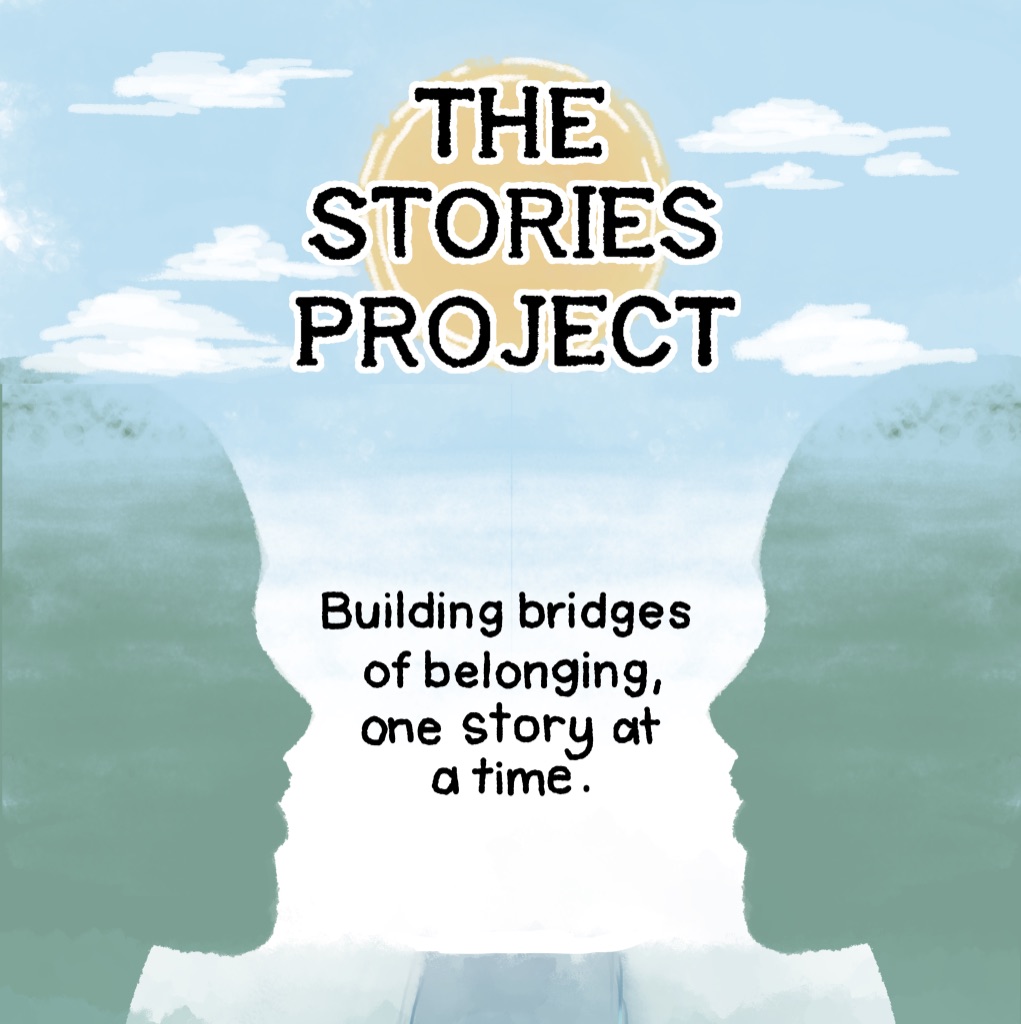
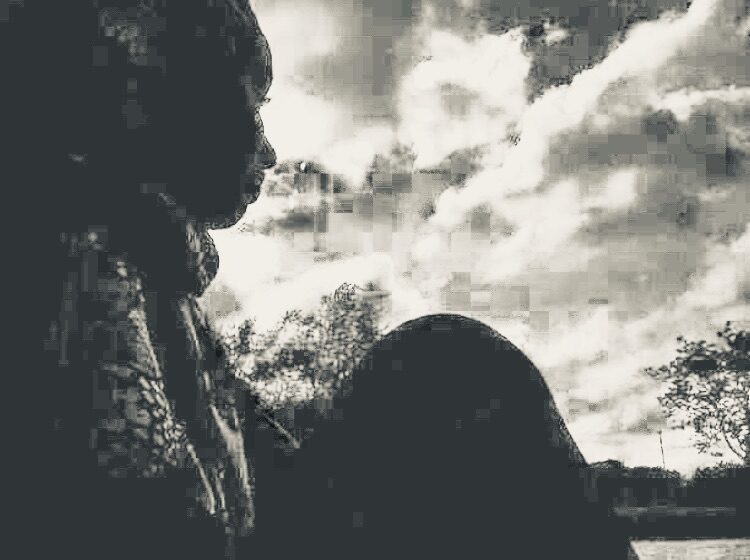
The above photo was taken during a Friday afternoon reflective dialogue session in The Stories Project. The participants were invited to take “self-portraits” of one another. I chose to feature this photo of Zahara (pseudonym) in this blog entry because its composition, the silhouette of her profile against the cloud-filled sky, reminds me of the grounded, wise, thoughtful people with whom I have had the privilege to work, learn, and collaborate in the context of a research-practice partnership. In community-engaged scholarship, the learning is multi-directional: Everyone is a teacher and everyone is a learner. We have so much to learn from one another, if we can just slow down long enough to truly listen.
Every summer, a community-based organization in Michigan hosts a five-week summer program for over 60 middle and high school immigrant- and refugee-background youth who represent more than 10 home countries (e.g., Afghanistan, Bhutan, Burundi, Colombia, Democratic Republic of Congo, Ethiopia, Iraq, Myanmar, Somalia, Sudan, Syria, Thailand) and 25 home languages (e.g., Amharic, Arabic, Bemba, Burmese, Chin, Dari, English, Farsi, French, Hakha Chin, Hindi, Karenni, Kibembe, Kinyabwisha, Kinyarwanda, Kirundi, Kurdish, Lingala, Malay, Masalit, Nepali, Pashto, Rohingya, Somali, Spanish, Swahili, Syriac, Tama, Urdu, and Zomi Chin). This past summer of 2019, we collaborated with the organization to pilot a global civic engagement course aimed at addressing one of the most pressing questions of our time: How can negative perceptions of immigrants and immigration in the United States be changed?
There were 12 participants, ages 18 to 23, who were interns or young leaders in the program; they represented seven different home countries and eight different home languages. For five weeks, the youth and intern documented reflections upon their daily lives through their choice of media (e.g., video, audio, photography, and/or writing). Each Friday across the five weeks, we came together as a group to engage in reflective, arts-based dialogues. We now have a collection of multimedia artifacts—including interviews with youth, community cultural/language brokers, and interns—that will be compiled into a short documentary film, which will tell the story of our explorations. In this film, individual’s personal stories will be featured to emphasize how people’s assumptions, judgments, and stereotypes can be challenged and changed through sharing stories about who we are, the obstacles we have overcome, and the dreams we hold for the future.
As a 2019-20 national Re-Imagining Migration fellow, this project—Building Common Ground: Transforming Perceptions of (Im)migration—explores how storytelling in ‘super-diverse’ social contexts can open people’s hearts and minds and enable the realization of our shared humanity.
Photo cred: Leo Vosburgh, Media Producer, The Stories Project
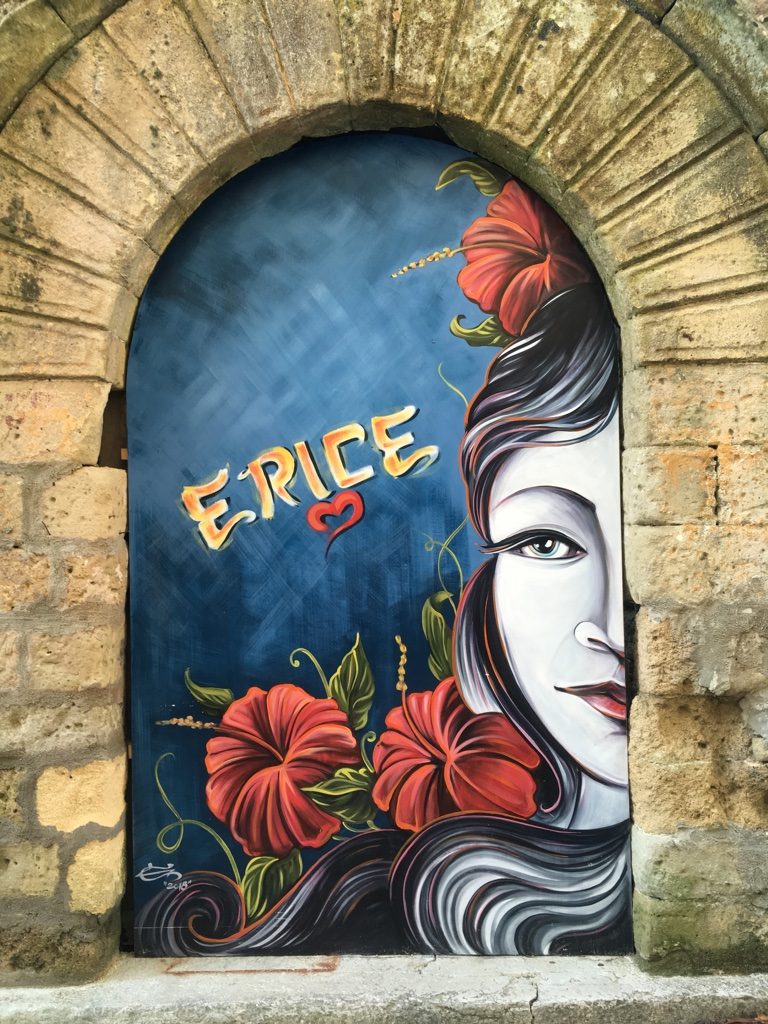
“Migrants and Refugees in the 21st Century: Children in and out of schools” Erice, Sicily, October 15 – 21, 2018
In October of 2018, I participated in a course, “Migrants and Refugees in the 21st Century: Children in and out of schools” directed by Marcelo Suárez-Orozco. I was one of 25 scholars invited from around the world to come together to co-construct collective knowledge about one of the most pressing global issues of our time: the forced displacement of 68.5 million people worldwide and the implications for children in the 21st century. During our time in Erice, we grappled w/the macro & micro complexities of this crisis via interdisciplinary perspectives (e.g., social work, law, anthropology, education, government, medicine), and I walked away with a renewed sense of urgency to work locally with colleagues, community partners, schools, and teachers to address the question: What does it take to change negative perceptions of immigrant and immigration in the United States?
In December 2018, I received a Network for Global Civic Engagement grant, which is supporting our Summer 2019 GLOBE project with RDC youth and interns – Stories of Perceptions, Connections, and Transformations: Building Global Awareness through Intercultural Communication. In this project, we will explore the essential question above through arts-based inquiry and storytelling. I believe, through my own experience and witnessing others’ experiences, that transformation happens when we engage in the process of building relationships. This requires a willingness to not know, the ability to really listen, and a shedding of the armor around our hearts.
In Erice, we exchanged seeds of knowledge, compassion, and commitment. Now I am taking those seeds that were so graciously shared with me and carefully planting them through my work as a scholar, a community member, and a teacher. Growth happens one seed at a time.

Exploring Linguistically Responsive Literacy Instruction with Immigrant-Origin Youth: Critical Professional Development
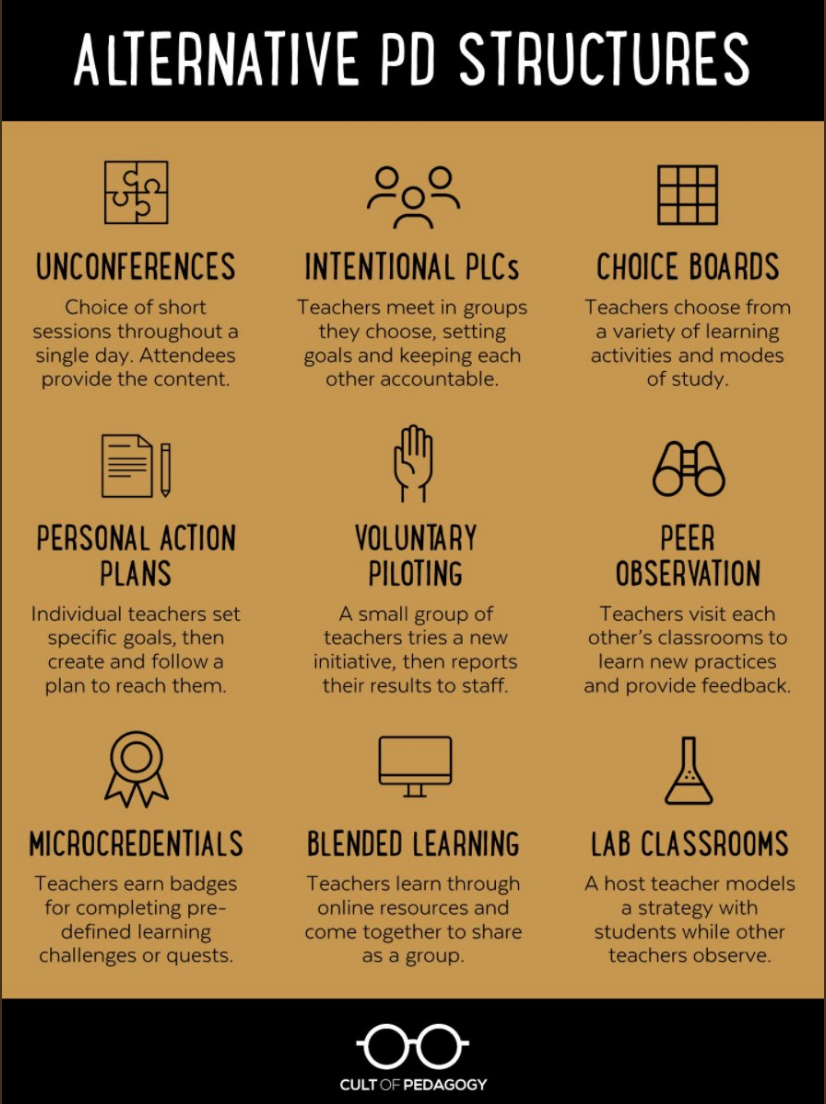
When I was a classroom teacher in Denver, CO, I was a “lab classroom” teacher with the Public Education and Business Coalition (PEBC) for five years (2001 – 2006). In this model of professional learning, the lab classroom teacher hosts small groups of local and national colleagues in their classroom throughout the school year to observe their reader’s and writer’s workshops. After the morning’s observations, a PEBC learning coach facilitates a debrief, and everyone eats lunch together. For me, being a lab classroom teacher and being part of the PEBC provided the most impactful professional development I’d ever experienced. Despite the vulnerability I felt, offering my classroom and instruction as “texts” to be analyzed and questioned made me a better teacher; it made me much more critical of the rationale underpinning my instructional decision-making. In addition to hosting visitors, I had numerous opportunities to participate as an observer in other lab teachers’ classrooms. I learned a tremendous amount from watching my colleagues teach. Observing skillful, thoughtful teachers has always been a source of inspiration, affirmation, and reflection.
Fast forward 12 years.
This summer of 2018, in partnership with the Refugee Development Center (RDC) and MSU’s Residential College in the Arts & Humanities (RCAH), and sponsored by Michigan State University’s College of Education: Equity Outreach Initiatives and Residential and Hospitality Services, we launched the first “Summer Reading Lab” project here at MSU. Informed by the PEBC lab model, a group of critical thought partners (K-12 teachers, higher ed colleagues, and doctoral students), youth from the Refugee Development Center’s Summer GLOBE (Gaining Learning Opportunities through Better English) camp, and I engaged in a two-week learning journey. Each day, the observers and I began with a pre-brief of what they would observe that morning. Then, in a “fishbowl” participation structure, I facilitated two 60-minute interactive reading lessons with informational texts. In each class, there were 12 to 16 immigrant-origin students who were in grades 5 through 10 and who spoke multiple languages (e.g., Somali, Swahili, Masalit, Karenni, Kibembe, Arabic, French, English). During the instruction, the adult workshop participants engaged in focused observations of the classroom. After lunch, the youth went on field trips, and the observers and I reconvened for a debrief of the morning’s instruction, which was followed by critical conversations that spurred interrogations of our dispositions and assumptions about immigrant-origin youth and their learning.
This laboratory classroom model of professional learning has several of the following affordances (ALTERNATIVE PD STRUCTURES image below retrieved from @cultofpedagogy):
By the end of the two weeks, we had become a collaborative group of critical colleagues who had developed a space in which we could ask hard questions of each other and ourselves, challenge our assumptions, engage in role play to experience empathy, write, discuss critical readings, listen to Podcasts, share resources, and eat MSU Dairy Store ice cream (without guilt). This learning space continues on through our conversations with each other, our colleagues, and our teaching.
May our willingness to be vulnerable – as people, learners, and teachers – lead to insights that benefit all sentient beings, especially immigrant-origin youth and their families.